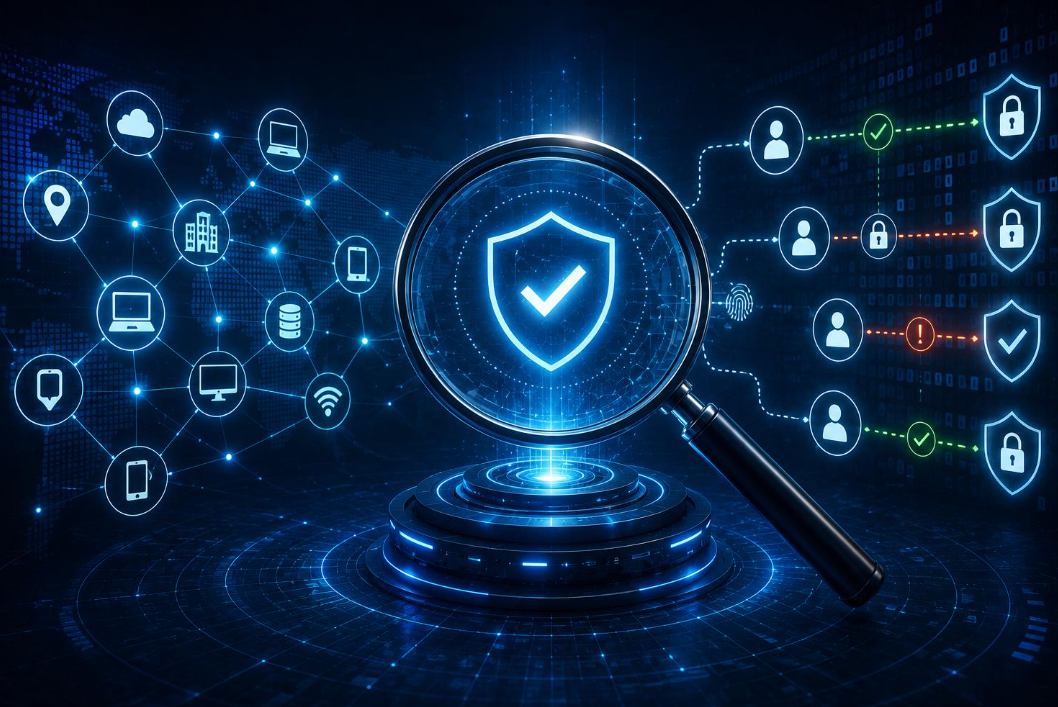
Cyber threats are becoming more sophisticated, and traditional security methods are no longer enough to protect business data. Zero Trust Security offers a smarter approach by verifying every user, device, and connection before granting access. Here's why businesses should start paying attention to it.
Understanding Zero Trust Security in Today's Digital World
Cybersecurity has become a serious concern for businesses of every size. Whether it's a small company managing customer information or a large organisation handling thousands of records, protecting digital assets is no longer optional. For years, businesses relied on traditional security systems that focused mainly on protecting their internal networks. The idea was simple: keep outsiders away, and everything inside the network could be trusted. But things have changed. Employees now work remotely, teams use cloud-based applications, and business data is accessed from different devices and locations. This has created new security challenges that traditional network protection alone cannot handle. This is where Zero Trust Security comes in.What Exactly Is Zero Trust Security?
Zero Trust is a cybersecurity approach built around one simple principle: never trust automatically, always verify. Instead of assuming that someone is safe because they are connected to the company's network, Zero Trust requires users and devices to prove they have permission before accessing business resources. For example, an employee logging into a company application may need to verify their identity through multi-factor authentication. Even after logging in, access to sensitive information depends on their role, device security, and other security checks. In simple terms, having access to one part of a business network doesn't automatically mean you should have access to everything.Why Traditional Security Methods Are No Longer Enough
The modern workplace looks very different from what it did a few years ago. Employees connect from home, travel frequently, use personal devices, and depend on cloud platforms to complete everyday tasks. This creates several potential entry points for cybercriminals. Some common security risks include:- Stolen login credentials: Attackers may use compromised passwords to access company accounts.
- Phishing attacks: Fake emails and websites can trick employees into sharing sensitive information.
- Unsecured devices: Devices without proper security updates can become easy targets.
- Insider threats: Employees or compromised internal accounts may misuse authorised access.
- Remote access vulnerabilities: Poorly secured connections can expose business systems to unnecessary risks.
How Does Zero Trust Actually Work?
Zero Trust is not a single software or security product. It is a combination of policies, technologies, and security practices that work together. Some of its key principles include:1. Verify Every User
Every login request should be checked. Multi-factor authentication (MFA), strong passwords, and identity verification help ensure that only authorised individuals can access business resources.2. Give Access Only When Needed
Not every employee needs access to every company file or application. Role-based access control helps businesses provide permissions based on job responsibilities.3. Check Devices Before Allowing Access
A valid username and password are not always enough. Businesses should also consider whether the device is updated, protected, and compliant with their security requirements.4. Monitor Activity Continuously
Security doesn't end after a successful login. Monitoring user activity can help identify unusual behaviour, suspicious access attempts, and potential security incidents.5. Limit the Impact of Security Breaches
Network segmentation and restricted permissions can prevent attackers from moving freely across business systems if one account or device is compromised.Benefits of Zero Trust for Businesses
Adopting a Zero Trust approach can help businesses build stronger security without depending entirely on traditional network boundaries. Some important benefits include:- Better protection for sensitive business and customer data.
- Reduced risk of unauthorised access.
- Improved security for remote and hybrid teams.
- Greater visibility into user and device activity.
- Reduced chances of attackers moving between internal systems.
- Stronger control over cloud applications and digital resources.
How Can Businesses Get Started With Zero Trust?
Moving towards Zero Trust doesn't have to happen overnight. Businesses can start with a few practical security improvements and gradually build a stronger framework. Start by identifying important business systems, reviewing who has access to them, and removing unnecessary permissions. Enable multi-factor authentication wherever possible. Make sure devices receive regular security updates, and keep track of unusual login activity. It is also important to educate employees about phishing emails, suspicious links, and safe digital practices. Most importantly, businesses should regularly review their security policies instead of treating cybersecurity as a one-time setup.Final Thoughts
Cybersecurity is not just about installing antivirus software or setting up a firewall. It is about understanding how information moves through a business and making sure it stays protected at every stage. Zero Trust offers a practical way to approach this challenge. By verifying every access request, limiting permissions, and monitoring activity, businesses can reduce their exposure to modern cyber threats. The shift towards Zero Trust may take time, but starting early can help organisations build a more secure and reliable digital environment. At Skybertech, we believe strong cybersecurity begins with smarter IT decisions. Building secure digital systems today helps businesses stay prepared for tomorrow's challenges.
Skybertech Team
Founder & Virtual CIO / CTO Leader, Skybertech
Executive technology strategist with 15+ years steering enterprise cloud transformations, risk governance, zero-trust audits, and strategic vendor oversight across South Asia and the Middle East.